Benefits and Applications of Functional Training

Functional training is an exercise method that focuses on improving movements encountered in daily life and sports activities. Instead of isolating muscles, it strengthens the body's natural movement patterns by working multiple muscle groups simultaneously. In this article, we will discuss the benefits of functional training, how it is applied, and why everyone should include it in their training program in detail.
Fundamental Principles of Functional Training
Functional training consists of exercises that mimic the body's natural movements. These movements are often multi-joint and multi-muscle. For example, squats, stand-ups, pushes, and pulls are movements we frequently use in daily life. The main goal of functional training is to strengthen these movements and improve coordination.
It works multiple muscle groups: Unlike isolated movements, it activates more than one muscle group simultaneously.
It improves balance and coordination: It ensures that different parts of the body work in harmony.
It supports natural movement patterns: It includes exercises similar to movements encountered in daily life.
Benefits of Functional Training
Functional training is beneficial not only for athletes but for people of all ages. Here are the main advantages of this type of training:
1. It makes daily life easier.
Functional training makes everyday activities less strenuous. For example, movements like carrying a heavy bag, climbing stairs, or lifting a child become easier. Your muscles and joints adapt better to these types of movements.
2. Reduces the risk of injury.
Strengthening the body's natural movement patterns corrects muscle imbalances and weak points, thereby reducing the risk of injury. Functional training is particularly beneficial for frequently injured areas such as the lower back, knees, and shoulders.
3. Improves Balance and Coordination
Functional training improves balance and coordination skills. This reduces the risk of falls, especially in older individuals, and enhances athletic performance.
4. Increases Muscle Strength and Endurance
Exercises that work multiple muscle groups simultaneously increase muscle strength and endurance. This improves athletic performance and reduces fatigue during daily activities.
5. Improves Flexibility and Mobility
Functional training increases joint range of motion and improves muscle flexibility. This allows movements to be performed more comfortably and safely.
Examples of Functional Training
Functional training programs can vary depending on an individual's goals and physical condition. Here are some commonly used functional exercises:
Squats: Strengthen the knee, hip, and lower back muscles. Similar to the everyday movements of sitting and standing.
Lunge: Works leg muscles and improves balance.
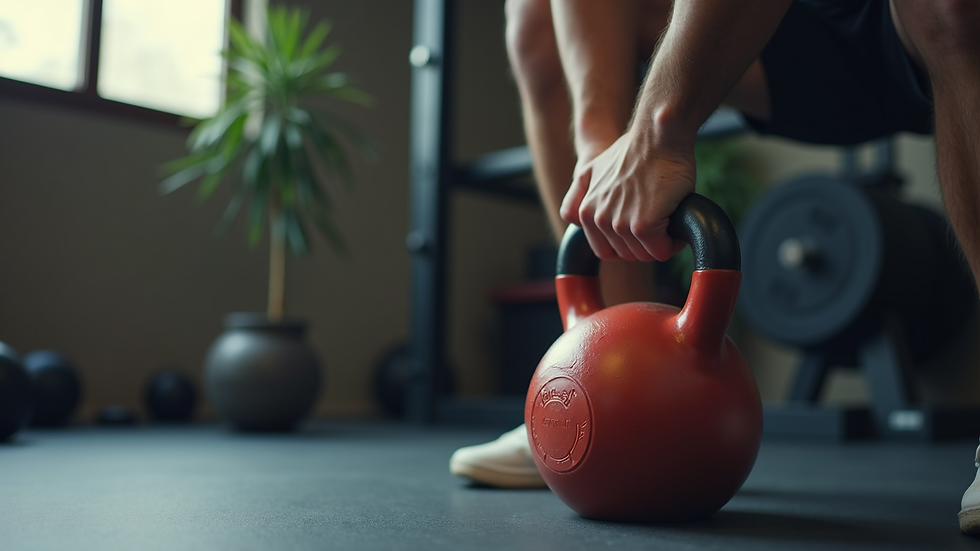
Kettlebell Swing: Works the hip, back, and abdominal muscles simultaneously.
Plank: Strengthens abdominal and back muscles, improves core stability.
Push-ups: Work the chest, arm, and shoulder muscles.
Medicine Ball Throw: Improves strength and coordination, especially beneficial for athletes.
These exercises can be performed using weights, resistance bands, or just body weight.
How to Create a Functional Training Program?
There are several points to consider when preparing a functional training program:
Goal Setting: First, determine your goal for training (strength building, balance improvement, weight loss, etc.).
Warm-up: Warm up for 5-10 minutes before starting any exercises. Light cardio and stretching exercises are suitable.
Basic Movements: Include fundamental functional movements like squats, lunges, and planks in your program.
Variety: Include exercises that work different muscle groups. This ensures balanced body development.
Sets and Reps: For beginners, 2-3 sets of 10-15 repetitions are suitable. You can increase this over time.
Cool-down: At the end of your workout, perform stretching exercises to relax your muscles.
The Effect of Functional Training on Sports Performance
Functional training is a crucial tool for improving performance in athletes. It is particularly beneficial in sports requiring multifaceted movement, such as football, basketball, and tennis. It enables muscles to work together, increasing explosive power and endurance.
For example, for a football player, simply strengthening leg muscles isn't enough. Balance, coordination, and core stability are also important. Functional training addresses these needs.
Functional Training and Aging
As we age, muscle mass decreases, balance deteriorates, and mobility declines. Functional training is an effective method to reduce these problems in older individuals. Regularly performed functional exercises:
Reduces the risk of falls.
It preserves muscle strength.
It facilitates daily life activities.
It extends independent living period.
Therefore, it is recommended that older individuals include functional exercises in their training programs.
Things to Consider When Doing Functional Training
There are some important points to consider when doing functional training:
Correct Technique: Performing movements correctly prevents injury. Seek professional help if needed.
Overloading: Don't overexert yourself until your body gets used to it. Gradually increase the number of sets and repetitions.
Consistency: Doing functional training at least 2-3 days a week is beneficial.
Listen to your body's signals: If you feel pain or discomfort, stop exercising and rest.
Variety: Instead of constantly doing the same movements, enrich your program with different exercises.
Equipment Needed for Functional Training
Functional training doesn't require specific equipment. However, some tools can enhance the effectiveness of the exercises:
Kettlebell
Medicine ball
Resistance bands
Balance ball (Swiss ball)
TRX hitch system
This equipment increases range of motion and helps work muscles from different angles.
Functional training is an effective method that strengthens the body's natural movements, makes daily life easier, and improves athletic performance. Suitable for people of all ages and levels, this type of training is an important step towards a healthy and active life. You too can start strengthening your body with functional movements and enjoy a more balanced and powerful physique. Remember, movement is fundamental to life, and functional training supports this movement in the best way possible.


perfect