Can we lose weight by doing Reformer and Mat Pilates? How can we lose weight?

Pilates has become a popular exercise method in recent years among many people aiming for a healthy lifestyle and weight loss. In this article, we will explore the effects of reformer and mat pilates on weight loss and explain how you can lose weight. We will also provide a wealth of useful information, from the basic principles of pilates to nutritional recommendations. Since your target audience is those who want to lose weight with pilates and are curious about the benefits of this method, you can find all the information you need here!

Basic Principles of Pilates
Pilates is an exercise system developed by Joseph Pilates that aims to strengthen bodily functions, increase flexibility, and improve balance. The fundamental principles of Pilates include the following:
Balance : Maintaining balance between the upper and lower parts of the body is extremely important.
Strength : Strengthening the core (abdominal) muscles supports the entire body.
Flexibility : Proper stretching exercises gently increase the flexibility of the muscles.
Control : Every movement must be performed carefully and with a specific purpose.
Breathing : Breathing is important for enhancing the effect of exercise.
These principles apply to both reformer and mat Pilates. By practicing these methods, it is possible to improve both physical health and overall quality of life.
🔥 THE PRINCIPLE OF FAT BURNING (Simple and Scientific Explanation)
1. Calorie Deficit (The Most Basic Rule)
When the body receives fewer calories than it expends, it begins to use stored fat to compensate for the energy deficit. Therefore, this is the basic principle of fat burning:
Calorie deficit = Fat burning
The goal is not to inflict sudden starvation, but to create a sustainable, mild deficit :
➡️ A daily calorie deficit of 250–500 calories is ideal.
2. The Role of Hormones
Fat burning isn't just a matter of calories; hormones manage the process.
Hormones that increase fat burning:
Adrenaline & Norepinephrine → Increases the release of fatty acids from fat cells.
Growth hormone (GH) → Especially increases fat burning at night.
Glucagon → Triggers fat burning when blood sugar drops.
Hormones that make fat burning more difficult:
Insulin → When it is high, it stops fat burning.
Cortisol → Chronic stress → abdominal fat accumulation
Leptin resistance → Hunger and satiety signals are disrupted.
3. How is fat "burned"? (Biochemical explanation)
Fat burning occurs in 3 stages:
1) Lipolysis
The breakdown of triglycerides from fat cells and their release into the bloodstream as free fatty acids .
2) Moving
Fatty acids enter the bloodstream and are transported to muscle cells .
3) Oxidation (Actual combustion)
In muscle cells, fats are burned to produce ATP in the mitochondria. At this stage, the fat is actually converted into energy and eliminated.
4. Effect of the heart's atrial area
Highest fat oxidation usually occurs:
➡️ 60–70% of maximum heart rate: Moderate-paced walking, light jogging, pilates, cycling…
But high-intensity workouts like HIIT also increase fat burning for many hours after the workout (EPOC effect).
5. Muscle mass determines fat burning.
The more muscle tissue there is:
➡️ metabolic rate becomes so high
➡️ You burn more calories during the day
➡️ You burn more fat even while resting.
That's why strength training is critically important for burning fat.
6. The sleep-stress-nutrition trio
Fat burning isn't just about exercise.
Lack of sleep → leptin/ghrelin imbalance → increased appetite → decreased fat burning
High stress levels → increased cortisol → abdominal fat
Low protein and fiber levels lead to decreased satiety.
CONCLUSION (Summary)
For fat burning:
Slight calorie deficit
Balanced hormone management
Regular strength training + cardio
Sufficient protein and water
Sleep and stress management
Differences Between Reformer and Mat Pilates
Reformer and mat pilates are two distinct types of pilates, each performed using different equipment and surfaces. It's important to examine the key differences between them:
Reformer Pilates
Equipment Usage : The reformer is a piece of equipment consisting of springs, straps, and platforms that support movements. This structure provides resistance from various angles and allows for more controlled movements.
Helpful Exercises : The reformer can make movements easier, especially for beginners. The resistance offered by the equipment targets muscle groups that need to be developed.
Mat Pilates
No Equipment Required : Mat Pilates typically consists of movements performed on a yoga mat. This method allows you to work your muscles using your body weight.
Self-Exercise : Mat Pilates can easily be done at home. However, it's important to be careful to perform the movements correctly.
Both methods have their own advantages. Choosing the right method based on your needs and exercise goals can lead to more effective results.

The Role of Pilates in the Weight Loss Process
Pilates plays an important role in the weight loss process. However, this role alone is not sufficient. Both physical activity and dietary habits must be considered for weight loss. The effects of Pilates on weight loss are listed below:
Muscle Development : Pilates strengthens muscles while aiding in fat burning. Stronger muscles help you burn calories even when you're at rest.
Metabolism Rate : Regular Pilates exercises help you burn more calories by speeding up your metabolism.
Flexibility and Balance : A flexible and balanced body reduces the risk of injury and improves overall performance. This allows you to exercise for longer periods and more efficiently.
Mental Health Benefits : Pilates exercises help reduce stress and improve mental health. This, in turn, increases your motivation to stick to a healthy lifestyle.
Remember that Pilates alone is not enough. A balanced diet and adequate water intake also play a major role in your weight loss journey.
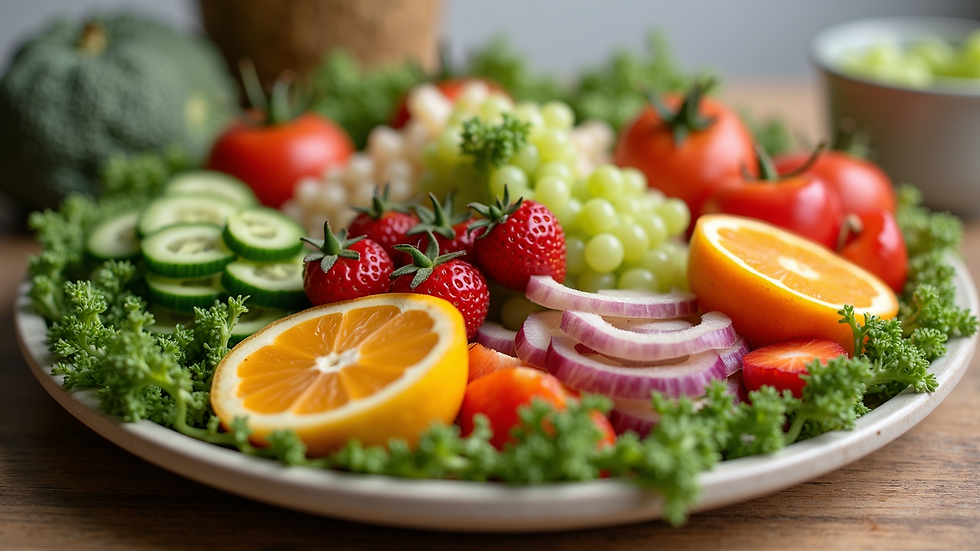
Nutrition and Lifestyle Recommendations
For those who want to lose weight with Pilates, developing proper eating habits is extremely important. Here are some practical suggestions:
Balanced Nutrition : You can meet your body's needs by creating a diet that includes a balanced intake of carbohydrates, proteins, and fats. Paying particular attention to your protein intake is beneficial for muscle development.
Water Intake : Drinking enough water boosts metabolism and supports the weight loss process. Aim to consume at least 2 liters of water per day.
Meal Intervals : Preparing snacks between meals helps keep blood sugar levels balanced. You can choose healthy alternatives like fruit or nuts as snacks.
Regular Sleep : A good sleep routine is a crucial factor in the weight loss process. Getting enough sleep helps maintain hormonal balance.
Stress Management : Activities that positively impact your mental health (meditation, nature walks, etc.) reduce stress and contribute to a healthy life.
REMEMBER: This is just a generalization about nutrition. Nutrition is as unique to each individual as a fingerprint. Seeking help from a dietitian will provide you with a healthier and faster solution.
Motivation and Sustainability
Maintaining motivation is crucial during the weight loss process. Pilates is a method that will support you both physically and mentally. Here are some tips for motivation and sustainability:
Goal Setting : Motivate yourself by setting realistic and achievable goals. Taking small steps increases the feeling of accomplishment.
Group Support : You can support each other by doing pilates or other activities together with your friends or running partners.
Fun Activities : Try not to let your workouts become boring. Participating in different Pilates classes or special events will increase your motivation.
Give yourself time : The weight loss process takes time. Be kind to yourself and enjoy the process.
Celebrate Successes : Celebrating your small achievements can boost your motivation and help you track your progress.
COACH FERIT CELIK'S RECOMMENDATIONS
Remember, being just a Pilates instructor can limit your ability to address many goals. To overcome this and become a fully qualified instructor, you need to take additional training in areas such as functional training, athletic performance, and fitness. By combining this training with your Pilates instruction, you can create hybrid training programs. These extra trainings allow you to modify Pilates movements in both mat and reformer Pilates, raising your heart rate healthily, engaging specific muscles, and achieving greater fat burning. With targeted training, you'll be able to perform these exercises anatomically, preventing injuries and maintaining proper posture.
TRAINING RECOMMENDATIONS:
Functional Training Instructor
Fitness Coaching
CrossFit Instructor Training
Athletic Performance Coaching
Below, I will explain how you can proceed and give you some examples of training methods I have used.
🔥 The Principle of Increasing Fat Burning with Pilates + Functional Training
1️⃣ Engaging Major Muscle Groups
Functional exercises (squats, lunges, deadlift variations) work large muscle groups simultaneously.
➡️ More muscles are engaged → more energy is expended → fat burning increases.
Pilates, on the other hand, maintains posture during these movements and keeps the core engaged.
➡️ This also increases power transfer and prevents injury.
2️⃣ Raising the Heart Rate in a Controlled Manner
Because Pilates alone is low to moderate intensity, it doesn't significantly raise the heart rate for fat burning. However, when functional training is added:
🏃 Metabolic stress increases 🔥 EPOC effect (post-workout fat burning) is prolonged ⏱️ Heartbeat spends more time in the fat-burning zone
The ideal combination:
➡️ Pilates exercise → Functional strength exercise → Short, high-heart-rate cardio
3️⃣ The Super Advantage of Core Activation
Pilates is inherently core-centered. In functional training, when the core is strong:
✔ Deeper squats ✔ Safer deadlifts ✔ More effective kettlebell swings ✔ More stable sprints, jumps, and plank-based exercises
This means higher power transfer → more calories.
4️⃣ Movement Efficiency Increases
Pilates perfects mobility, alignment, and breathing. Functional training, on the other hand, increases strength and agility.
Mobility and power combined:
➡️ Exercise efficiency increases by 20–30%
➡️ A higher tempo is achieved.
➡️ More repetitions are done.
➡️ More energy is consumed.
🎯 How to Apply It in Practice?
🔸 MODEL 1: Pilates → Functional Superset
Each movement for 40–60 seconds:
1. Core + Squat Combo • Pilates Hundred (20 sec) • Squat Press / Goblet Squat (40 sec)
2. Pilates Roll Up → Deadlift • Roll Up (8 reps) • Dumbbell / Kettlebell Deadlift (40 sec)
3. Pilates Side Kick → Lunge • Side Kick Series (20 sec) • Reverse Lunge with Knee Drive (40 sec)
4. Swimming → Glute Bridge Walkout • Swimming (20 sec)• Hip Thrust / Glute Bridge Walk (40 sec)
🔸 MODEL 2: Functional – Pilates – Cardio Circle
Each station lasts 45 seconds:
1️⃣ Kettlebell swing / dumbbell clean
2️⃣ Pilates single leg stretch
3️⃣ Box step / jump – low impact cardio
4️⃣ Pilates spine twist
5️⃣ TRX row or bodyweight row
6️⃣ Mountain climber or quick feet
3-4 laps → 25-35 minutes - a perfect fat-burning cycle.
🔸 MODEL 3: Pilates Flow Interval Cardio “Spikes”
Pilates flow 2–3 minutes → 20–30 seconds of HIIT added in between:
• High knees• Burpee (may be low impact version)• Skater• Jump rope• Fast mountain climber
➡️ Heart rate fluctuation → maximum oxygen consumption → fat burning increases significantly.
💡 5 Golden Rules You Need to Know When Designing Software
First stability, then power, then speed.
Incorporate your Pilates breath into functional movements: → “Breathe in on the descent, breathe out on the ascent”
In functional exercises, a metronome tempo (2-1-2) optimizes fat burning.
Training is most effective between 25–45 minutes.
Hybrid training 3-4 days a week is ideal.
🔥 PILATES – FUNCTIONAL COMBO CLASS STRATEGY (50 Minutes)
Level: Intermediate
Equipment: Mat, resistance band, light dumbbells (2–4 kg), kettlebell (optional)
⏱ 1) WARM-UP & PILATES ACTIVATION – 8 MIN
1. Pilates Breathing & Lateral Breathing – 1 min
• Place your hands on your ribs. • Breathe in: expand your ribs outwards. • Breathe out: slightly activate your core.
2. Pelvic Curl Mobilization – 1 min
• Vertebral upward movement • Controlled exhalation Purpose: Glute-hamstring-spine connection
3. Cat–Cow + Thoracic Rotation – 2 min
• Spinal segmentation • Moderate rotation Goal: Mobility + core awareness
4. Pilates Swimming Prep – 2 min
• Opposite arm/leg raise • Lengthening on exhalation Purpose: Posterior chain activation
5. Standing Mini Band Lateral Steps – 2 min
• Knees slightly bent • Band tension constant Goal: Glute medius activation → preparation for functional set
⏱ 2) POWER & FUNCTIONAL SET – 18 MIN
Duration: 3 blocks × 6 minutes System: Superset (Pilates → Functional)
🔸 BLOCK 1 – LOWER BODY + CORE (6 MIN)
A) Pilates: Standing Leg Lift (30 sec) + Side Kick Series (30 sec)
• Core stable • Controlled tempo → High lateral hip activation
B) Functional: Squat to Press (45 sec)
• Light dumbbell • Tempo: 2–1–1 → Large muscle group engaged → Increased heart rate
C) Active Rest: March in Place (30 sec)
2 rounds
🔸 BLOCK 2 – POSTERIOR CHAIN + CORE (6 MIN)
A) Pilates: Roll Down Flow (60 sec)
• Vertebral segmentation• Hamstring lengthening
B) Functional: Hip Hinge / Kettlebell Deadlift (45 sec)
• Core brace • Increase in exhalation → Strength + stability
C) Cardio Spike: Lateral Skater Steps (30 sec)
→ Low-jump cardio option
2 rounds
🔸 BLOCK 3 – UPPER BODY + ROTATION (6 MIN)
A) Pilates: Pilates Swimming (45 sec)
• Posterior chain • Shoulder stability
B) Functional: TRX Row or Dumbbell Row (45 sec)
• Exhale during the compression phase • Scapula control
C) Cardio Spike: High Knees Low Impact (30 sec)
→ Pulse check
2 rounds
⏱ 3) METABOLIC COMBINATION – 10 MIN
4 movements × 45 sec / 15 sec interval × 2 rounds
Pilates Plank → Knee to Elbow (rotation-focused)
Functional Lunge + Front Raise (light dumbbell)
Pilates Single Leg Stretch – Flow form
Functional Cardio: Quick Feet → 5 sec squat touch
Goal: 🔥 To get your heart rate up 🔥 Core + strength + cardio synergy 🔥 To enhance the EPOC effect
⏱ 4) CORE & PILATES COOL-DOWN – 10 MIN
1. Pilates: Teaser Prep – 2 min
• Controlled output • Core & hip flexor balance
2. Pilates: Saw & Spine Stretch Forward – 2 min
• Spinal lengthening • Hamstring mobility
3. Dead Bug or Hollow Hold – 2 min
• Stabilization • Breath coordination
4. Hip Flexor & Glute Stretch – 2 min
5. Box Breathing – 2 min
• Breathe in for 4 seconds – hold for 4 seconds – breathe out for 4 seconds – hold for 4 seconds → Parasympathetic system activation
🎯 Physiological Advantages of This Flow
Heart rate increases in a controlled manner → maximum fat oxidation.
Functional movements → large muscle groups involved
Pilates → core, alignment, breathing, and injury prevention
Cardio spikes → EPOC effect lasts 3–6 hours.
Flow system → High motivation in group lessons
Final Words
Reformer and mat Pilates are essential components of a healthy lifestyle. Losing weight through these methods not only increases your physical strength but also contributes to your mental health. Remember, there's a balance to maintain in your weight loss journey. Healthy eating habits, adequate water intake, and regular exercise are all ways to achieve your goals. By maintaining high motivation, you can take a step towards a sustainable lifestyle. Incorporating Pilates into your life can lead to a new journey both physically and mentally. Hybrid training combines Pilates, functional exercises, and fitness movements to achieve faster fat burning.


Comments